When you click on links to various merchants on this site and make a purchase, this can result in this site earning a commission. Affiliate programs and affiliations include, but are not limited to, the eBay Partner Network.
Ok
So today long road test high speed.
No leaks!
Parts used:
MINI COOPER R56 TRANSMISSION INPUT SHAFT SEAL OEM PART 24127551992
Job was also done without special tools:
1. I used drill and screw method to remove old seal, make sure not to drill in too deep, use a depth stop at around 3mm then use self tappers to extract the seal 50/50 as side evenly until it pops out.
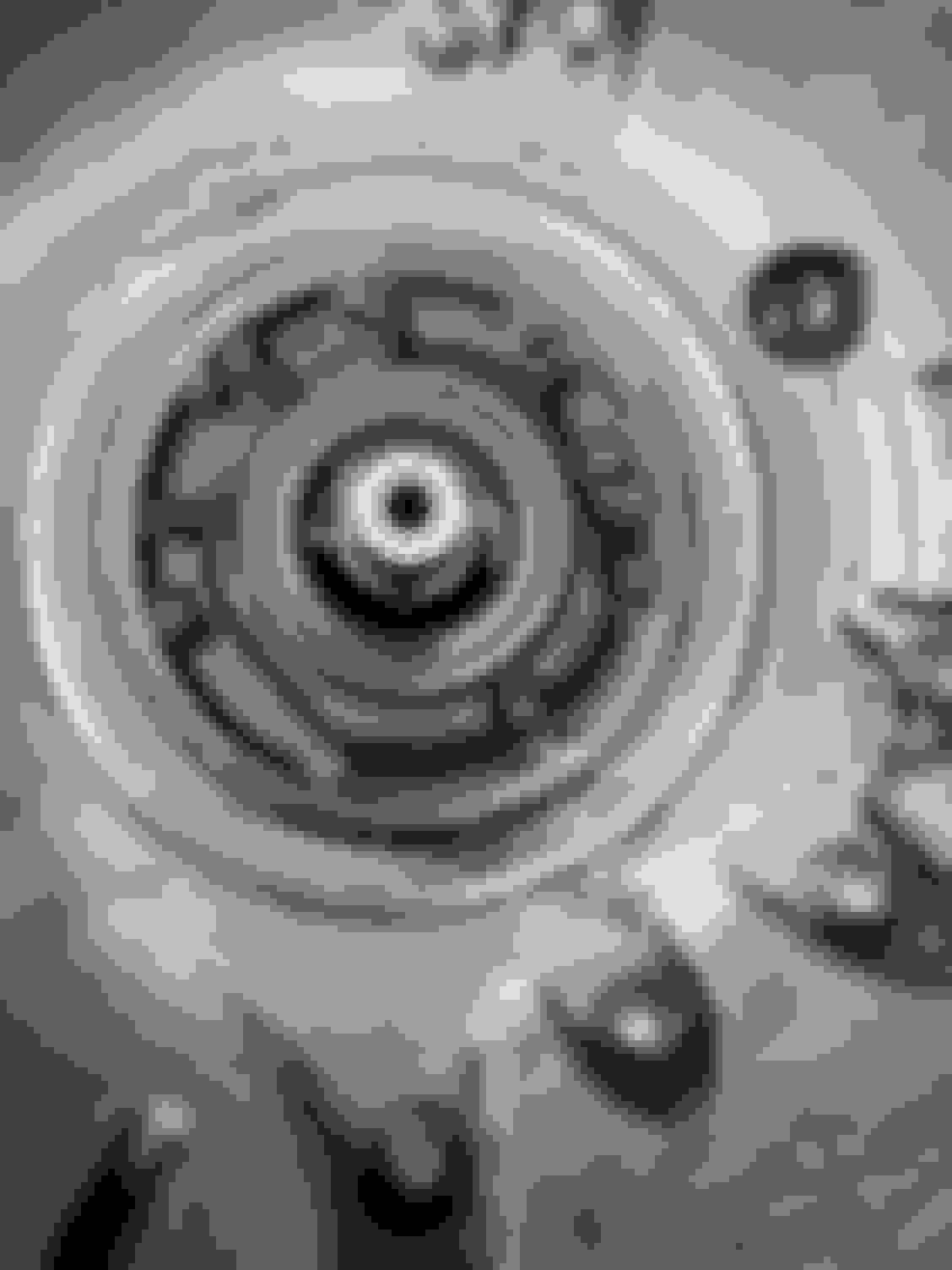
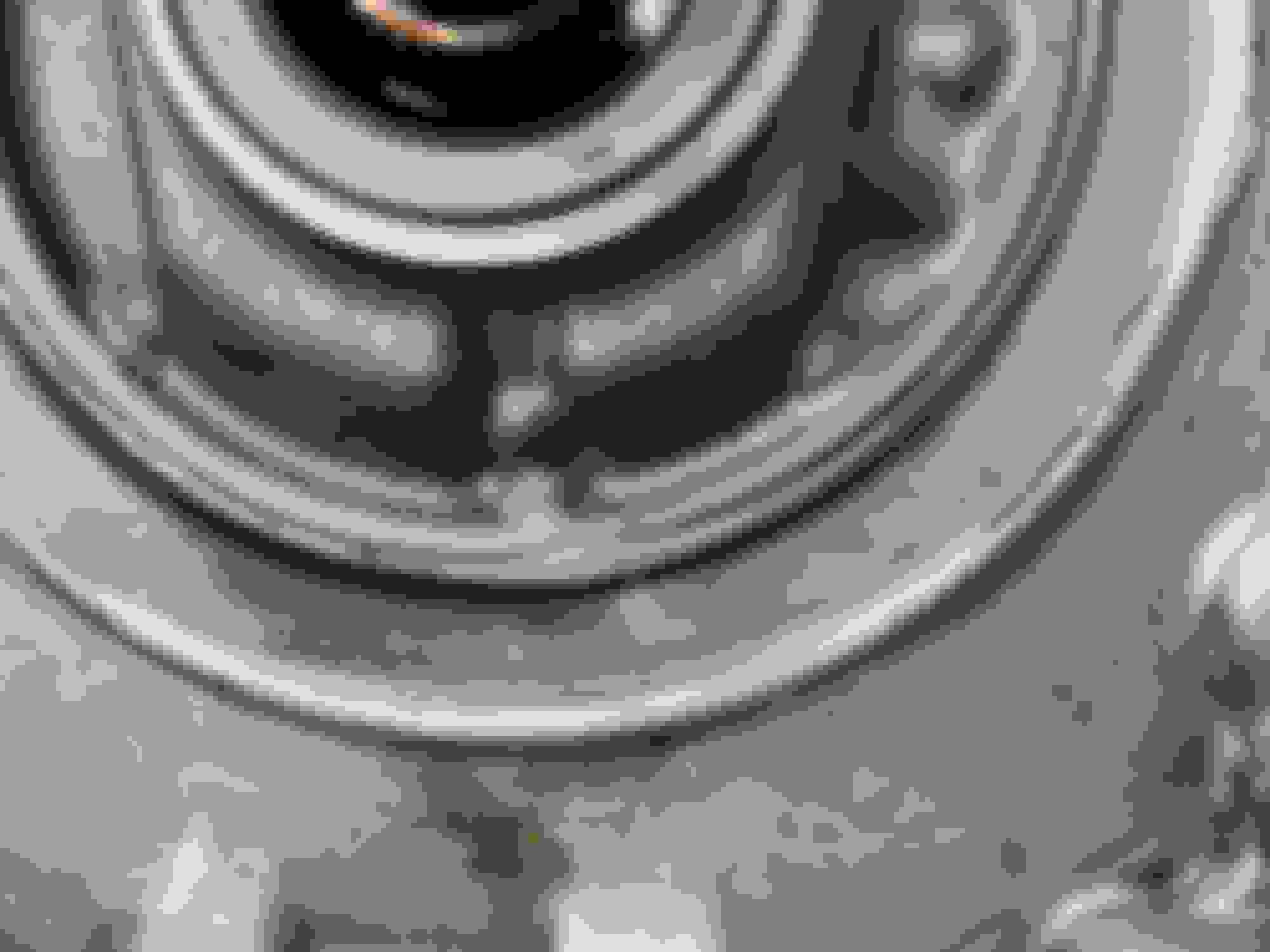
2. I used a bearing install tool, the flat side as the middle hole fits perfectly over the shaft and you can tap almost flush to the bell housing, the shaft gear stops you going all the way flush.
3. I used an over sized bearing extractor to hit the seal home until it was flush with the bell housing.
Hope this helps.
Last edited by rick668876; Sep 27, 2024 at 08:02 AM.
...the TC Hit the transmission housing and has cracked the case!!!
...I’m fitting a second hand transmission and replacing the shaft seal while it’s out !
Holy *****, the case cracked from the wrong flywheel being installed?! And you're reusing the same case even though its cracked?
You a better man than me...mine leaked like crazy after installing OEM seal.
HaHa no way Lex, the trans with the cracked bell housing is scrapped, I replaced it with a new used trans, but I took a gamble and changed out the input shaft seal with a brand new OEM one!
I can tell you it was worth the gamble the seal was easy to replace and didn't require any special tools, I did smear the outside of seal with my finger covered with trans fluid. The new seal has some kind of white grease already applied to the inside contact so I left that as is.
I wiggled the TC a few times and couldn't line it up the pump so I had to pull the TC out a few times, I did notice the white grease was liberally covering the TC shaft I think it took me about three goes until it locked into place, and then I proceeded to to fit it back to the motor.
I defiantly don't want to be pulling the motor out again, the job was a success and I DO Reccomend anyone that takes the transmission out to check the bell housing for cracks, and replace the seal it's not as bad as it sounds, and there is no way you want to be doing this job twice!!
Old TC showing marks where it got the bell housing
Cracks in bell housing New used transmission with new OEM seal fitted and new TC. Wrong ring gear
For anyone contemplating doing this seal job I fully recommend it as there is nothing worse than having to monitor fluid and constantly cleaning under the car. For those of you that still have fluid leaking I doubt it is the bushing as even new bushings still have a lot of play, just make sure the two dowel pins are there and you carefully tighten the TC to the ring gear.
Hope this helps someone as I couldn’t find any positive threads on changing the seal.
@Lex2008 Man the seal is good done 200+ kms no leaks, for the sake of a days work to pull the front off, take the motor and transmission out and the low cost of the seal, just do it!! you won't regret.
Hope this helps.
Did you order the special tool to set the seal? I cannot recall.
I did, just haven't done it yet. Probably in the next few weeks as grandma had to stop driving and that freed up an extra car for us... (2014 scobby with 10,000 miles on the clock ;-) )
Did you order the special tool to set the seal? I cannot recall.
no tool just used bearing cups and sleeve, as above post see pictures and I used trans fluid in the outer edge to help slide it home.
I did park it up and leave it overnight before attempting to drive though, maybe that was the key.
Hope this helps.
I did, just haven't done it yet. Probably in the next few weeks as grandma had to stop driving and that freed up an extra car for us... (2014 scobby with 10,000 miles on the clock ;-) )
If you have an annoying leak just do it, don’t be scared the key is to make 100% sure the TC is locked in place and pushed back all the way in before mating it to the motor.
Hope this helps.