Mini Cooper 2007-2013: Brake Modifications
Modifying the brake system in your Mini Cooper is a smart investment when it comes to your safety. Read on to learn about the popular brake modifications.
This article applies to the Mini Cooper (2007-2013).
Brake modifications are considered the best investment when it comes to your safety. The Mini Cooper comes equipped with a good brake system, but when it comes to brakes, you can never have enough. Upgrading one or more components in the brake system can change the feel and performance of your brake system. If you want to have the ultimate brakes, but you don't know where to start, read on to learn about the most popular and best brake modification for your Mini Cooper.
Brake Modifications

#1 Brake Pads
DIY Cost – $75-250
Professional Cost – $250-500
Skill Level – Moderate; this job requires the removal of various components.
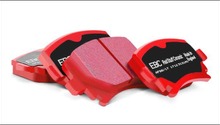
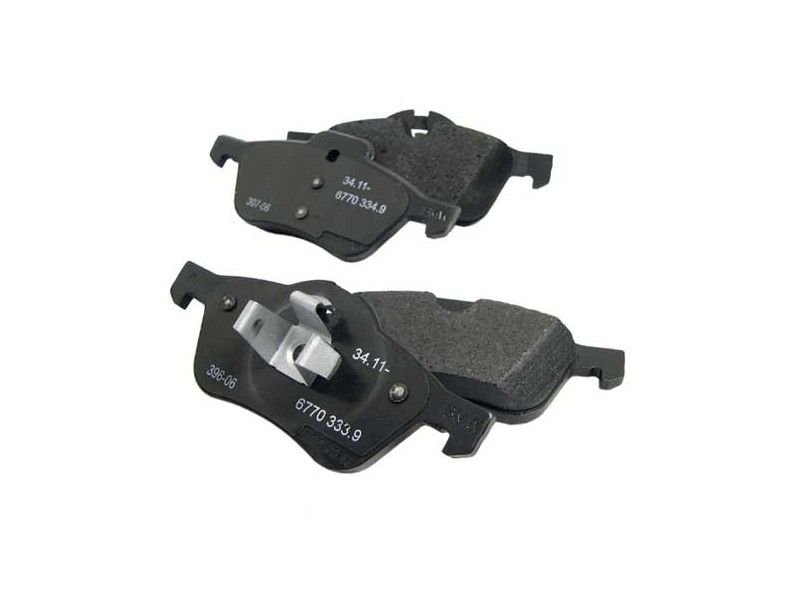
Brake pads may seem like the most basic component in your brake system. In the end, they do sacrifice themselves each time they stop your car. However, there is much more to your brake pads than just friction. The aftermarket world of brake pads offer a variety of options that fits everybody's budgets, and needs. If brake dust is one of your pet peeves, there are brake pads designed to produce virtually none. If brake noise is something you hate listening to, then pick the pads that are noise-free. Of course we can't forget the performance pads, which are designed to withstand high temperatures, thus living longer, stopping quicker, and performing better on the roads or on the track. Your options don't stop there, however, each aftermarket company offers various pads with different characteristics. For instance, you can purchase brake pads that have low noise, are dust-free, and they are higher in performance than the OEM ones. If you think brake pads are insignificant when it comes to completely changing the brake feel and performance, think again and start exploring the aftermarket world of brake pads.
#2 Brake Fluid

DIY Cost – $20-80
Professional Cost – $120-200
Skill Level – Moderate; this job requires bleeding the brake system.
The brake fluid is crucial to your brake performance, which is why you replace it every 20,000 to 40,000 miles. If your Mini Cooper sees a lot of hard miles, on the back roads, or the track, consider changing it much more regularly. Your brake system works on hydraulic pressure, that is, it's only as efficient as the fluid in the system. Once brake fluid overheats, it becomes susceptible to absorbing moisture and air into the system. This reduces the efficacy of the fluid, and results in a soft, or sinking brake pedal. If it degrades too far, your brake pedal may get so soft that the brakes will fail to work altogether. Although this is considered a modification for racing, it still works great for regular day-to-day driving, especially if you like to hit your brake pedal a little hard. If you want to take your brake system to the next level, replacing the regular fluid with high temperature fluid will help you get there.
#3 Stainless Steel Brake Lines

DIY Cost – $100-250
Professional Cost – $200-400
Skill Level – Moderate; this job requires working with corrosive brake fluid and bleeding the brake system.
Installing stainless steel brake lines is a great addition to your brake system. The old rubber lines could get worn and cracked over time, eventually causing an inconsistent pressure issue, or downright failure via a leak. Stainless steel brake lines are designed to withstand any weather conditions and greater temperatures. Each time you replace your brake lines, you will have to bleed the brake system after, so keep that in mind before tearing through the old lines. These lines can withstand much higher temperatures than your old lines, as well as last the lifetime of your vehicle. So once you decide to make the investment of purchasing stainless steel brake lines, you will most likely never need to change them again. Many companies claim their stainless steel lines will improve the feel of your brake system, and many enthusiasts agree with that claim. If you want to make sure you never have a problem with your brake system, stainless steel brake lines will give you a piece of mind.
#4 Big Brake Kit
DIY Cost – $1,500-3,000
Professional Cost – $2,000-4,000
Skill Level – Moderate; this job requires the removal of various brake components.
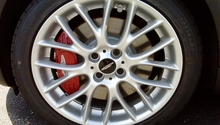
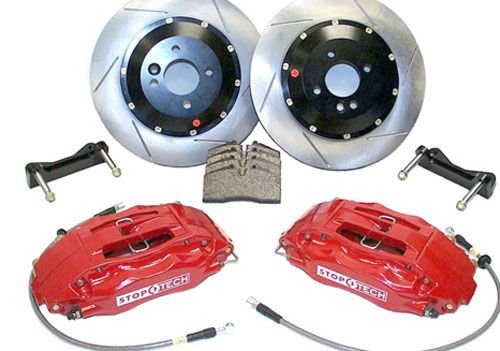
This is the ultimate brake modification. However, it is not for the faint of heart. When you decide to modify your brake system and treat it to a big brake kit, expect to pay a lot of money, but it is definitely well worth it. A big brake kit refers to upgrades brake calipers, rotors, pads and lines, often bundled with revised mounting brackets to make it all fit inside the rim of the wheel. Getting excellent performance from your brakes is all about heat management. Larger rotors, in diameter and thickness, are better at absorbing, and then dissipating heat. The same goes for larger, more aggressive brake pads. Larger, multi-piston calipers again more evenly spread caliper pressure against the rotor, resulting in better cooling of the brake fluid, and better wear of the brake pads, as it reduces hotspotting. If you're regularly lapping your local track, and determined to go faster, for longer, consider upgrading.
Related Discussions
- Best Brake Pads - NorthAmericanMotoring.com
- Brake Line Upgrade - NorthAmericanMotoring.com
- Best Brake Fluid - NorthAmericanMotoring.com
- Big Brake Kit Question - NorthAmericanMotoring.com