When you click on links to various merchants on this site and make a purchase, this can result in this site earning a commission. Affiliate programs and affiliations include, but are not limited to, the eBay Partner Network.
General MINI TalkShared experiences, motoring minutes, and other general MINI-related discussion that applies to all MINIs, regardless of model, year or trim.
Huh, well that's interesting. I got 30k plus out of a set of $2 NGK standard copper plugs in our MCS. I've put way more miles than that before on platinums (in a different car). The iridiums are not looking that impressive.
Last edited by GearheadS; May 1, 2017 at 08:08 AM.
In short, stop running those goofball JCW plugs that have 4 ground electrodes. Select a "copper" or platinum V-Power plug in the correct heat range, gap it correctly for your application (0.032" for R53's with stock boost levels & 0.030" for mild pulleys), and be on your way. Ditch the Iridium, too.
Originally Posted by pirranah
This should be quoted over and over again. People need to quit making a simple job so complicated! I just read post after post after post and it's no wonder people get so confused when it comes to this.
No doubt.
Great thread here, quite interesting and found the info that I needed.
Was going to go with the BKR7EQUP because that's factory for my 06 JCW, but I've never been fond of multi-electrodes,
so I'm going with the BKR7E.
As far as indexing to face the intake valve, what is the proper o'clock position?
Interesting comments on the multi-ground strap spark plug.
I just bought an 05, JCW equipped car. My first foray into any type of foreign car.
One of the first things I did was to pull the plugs to check their condition.
Hmm, have never seen this "exact" design of plug, though having various motorcycles, I'm not at all new to multi-ground strap spark plugs. Many aircraft spark plugs are also very similar to the one recommended for the JCW engine. In the aircraft world, a single point failure is a bad thing as one might guess..! So in this case, having more than a single ground electrode is a good thing, especially since the ground electrode wears faster than the center electrode.
Multiple ground plugs have been around longer than...dare I say anyone on this NAM board, and most likely are not going away any time soon. That said, I seriously doubt they are "goofball" or a gimmick.
So, exactly why are these plugs..."goofball" ?
This particular design appears to me to be one of the better designed plugs I've seen. "Most"...sport bike (motorcycle) spark plugs are also of a multi-ground strap design.
So...again, what makes your comment more accurate than the Japanese, Italians, English (!) in their spark plug choice for their high rpm engines, for motorcycle (sport bike) spark plug use ?
Is there ANY...power to be had in (any) plug design ? Fresh/new plug vs. new plug, very little if any, and most of that is more dependent on with the fuel used, the boost pressure used and the combustion chamber design.
Is there any mileage to be gained ? A fresh/new plug to new plug, simple answer, no (dependent on the just above comment).
When a person installs new spark plugs where the ones removed had 40,000+ miles on them...ANY gimmicky, goofball, or...standard spark plug will run better, get better mileage and the engine will start easier than the ones just removed. Including having no high RPM miss..!
The exotic materials, as has been said, are for longer lived electrodes, and a longer replacement interval. Other comments about materials and their electrical properties...while basically true, with a good ignition system, the air/fuel mixture will never know the difference. Is the higher cost worth it, vs. the longer run times...don't know, never worked on that thesis.
Two things here. 1. I've been at this for...well, a LONG time. Had a couple of race cars, helped more than a couple of friends with race cars, street cars, boats, bikes, tested about everything there is to test (per cars engine), spent a lot of money experimenting over the years. Used about every ground strap gap capable to see what difference was made.
And 2. Nothing I've posted here is a secret. If you have the time, I'd guess all of the above is online somewhere in the WWW. Just use caution...there's a LOT of myths and wives tales out there (about anything you can think of !). I won't mention any spark plug names...but rest assured, the brands, styles that don't find their way in ANY sort of race engine, isn't worth much..!
"4.3. Spark plug with four ground electrodes, type-C
This type of spark plug was introduced by different manufactures primarily to extend spark plug durability. It is clear that there is a higher rate of combustion variability when this spark plug was used. This is explained firstly by increased contact area and heat transfer to the ground electrodes in the initial period of flame kernel growth. Secondly, it is well known that as a spark channel forms between the two spark electrodes, the local resistance increases as the localized temperature grows due to the energy flow during the spark event. After a few sparks, the local resistance becomes high enough to cause the spark to seek paths with less resistance and this moves the spark channel around over a series of sparks to prevent the “arc welding”. The rotating spark in this case changes the spark plug orientation which affects smoothness of engine operation as mentioned earlier. In circumstances where the charge motion carried the kernel into the ground strap, the flame growth would be slowed by the presence of a cold wall. With a different orientation, the same plug could have much different performance.
Multiple ground electrode designed spark plugs significantly slow down the early flame development, due to the increase in heat loses and the reduction in flame growth due the restricted flow directions."
And indeed, even NGK themselves cite those facts in this video:
"...the increased durability and fouling protection provided by multiple ground electrode spark plugs often comes at the cost of ignitabilty..."
It seems that multi-electrodes are primarily made for long-life as opposed to performance, which are perfect for neglectful owners, but for enthusiast owners who maintain their cars and change the plugs routinely, I see not much benefit for a multi-electrode design.
If the traditional j-gap plug ends up not working for me, then I'll go with the EQUP's,
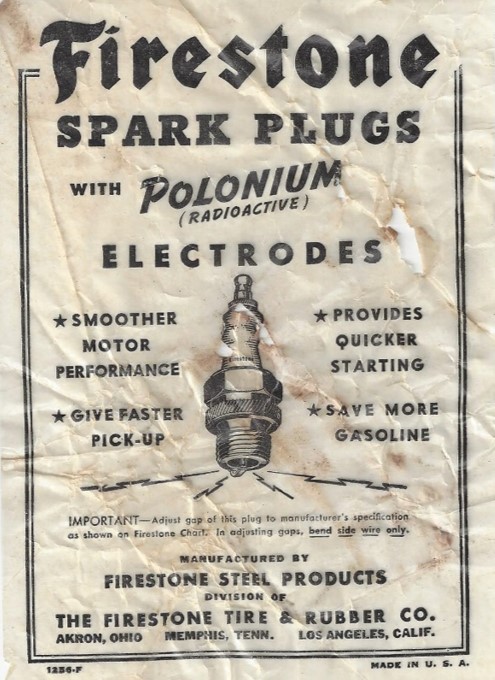
or perhaps I'll try out some radioactive polonium plugs!
Perhaps somewhat of a controversial topic, but it's a habit I developed along the way and prefer to do it this way --- such a thing was probably much more effective for 8 valve heads back in the hot rod days and may only provide minuscule advantage in modern 16 valve heads, but every little bit helps in my book.
The process may take slightly longer, but it's not really too time consuming.
An indexer tool helps in shaving time, and it also helps because you don't have to keep installing/uninstalling on the soft head threads which can be inconvenient, just make sure the tool threads match up to the head threads and you're good to go.
I have an Accel tool, but there are many cheaper alternatives out there, and if you're skilled as a machinist it'd be relatively easy to make one...
Looking at pix of the Tritec head it looks like a 6 o'clock orientation would be the best bet if one wanted to do this.
Yes? No?
Oldboy Speedwell. Thanks for bringing this thread back. It is an excellent thread. Just like the stupid runflats, MINI did disservice to the owners of doing all these pointless service longevity BS. When you tell your customer their spark plugs lasts 100k, some less informed customers tend to think the car need next to no routine attention. Why the hell to save say $30 of spark plugs when they cost less than a tank of fuel? Very long ago, when Bosch first touted how wonderful their platinum spark plugs. I bought a set that is equivalent in heat range to the generic stock plugs, and it performed like crap. Since that experience I stayed away from all the wonderful precious metal plugs with pin head center electrodes.
Kudos for NHK's FAQ sections to debunk a lot of myths and disinformations.
This was exactly what I needed to read about spark plug information for an N18 R56! And as a bonus, there was extra information about spark plugs in general. Thanks for this post!
I know I'm a bit late but hopefully the spark plug guru can help. I have a 2009 r56 mini it's the base model, I'm about 5k miles away from 100k miles, I need to change the spark plugs and read your page and responsea but I'm not sure if its suitable for me since I wanted the Silver spark plugs cause you mentioned them being the "best" but the thing is I have the base mini, no upgrades whatsoever, do you think it would be okay for me to get them? The price isnt an issue as long as I know they actually help, like are they just better or simply for performance? I dont plan on racing or tracking the mini I just want it to run as best as possible and if silver or copper work, I want to run them instead, also I noticed you said it might change the mpg? Badly or just keep it the same? Thanks if you reply!
What about Brisk spark plugs they really want to work with my Cooper S but they cut out. Thinking they might work better with a new set of modified coilpacks.
Wow, got a great bargain on a twofer 4 pack of NGK plugs,
thanks ebay!
Hey.
Whoah.
waitaminnit
Wuzzup with this?
YOWZA!
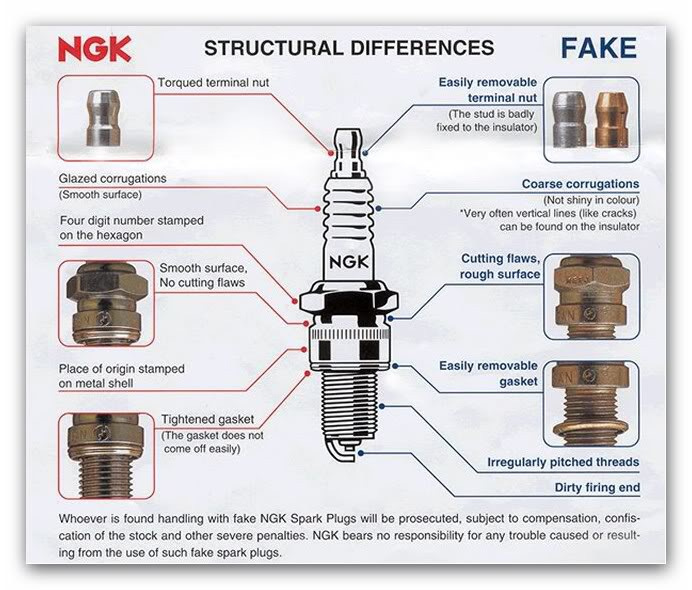
I became a victim of fake spark plugs!
Cannot believe that counterfeit spark plugs are now something to watch out for,
especially if bought on Ebay or Amazon.
What a total drag.
I've been running basic coppers for a while now but recently decided to give BKR7EIX a go and see if I noticed any difference,
but being the bargain hunter I am made the mistake of getting them from ebay.
The consequences could have been fatal and I'm so glad that I noticed they seemed off somehow by the looks, so I did a quick search and there are tons of reports out there regarding fake NGK's.
It is a big problem.
NGK even has a section of their site devoted to the counterfeits.
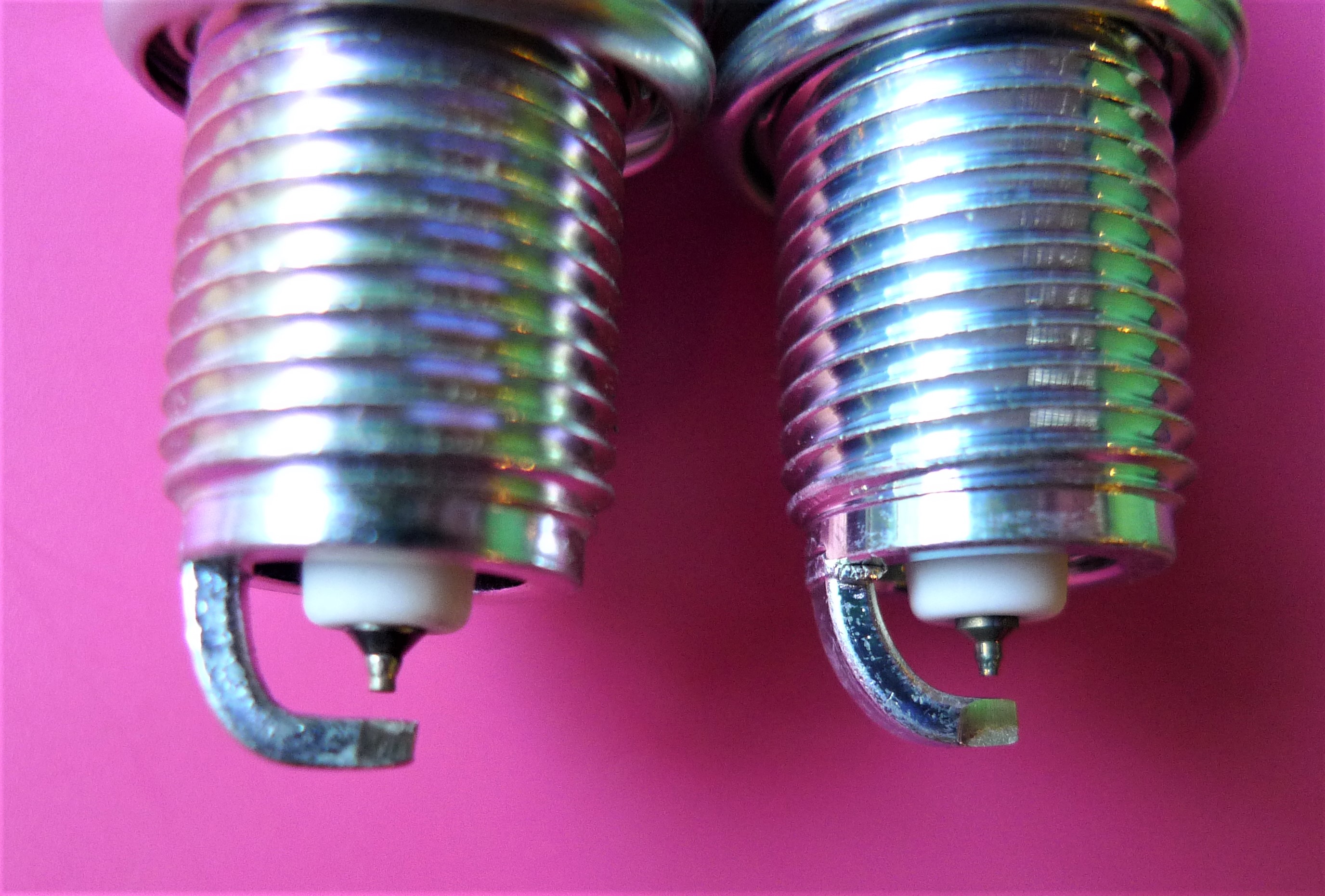
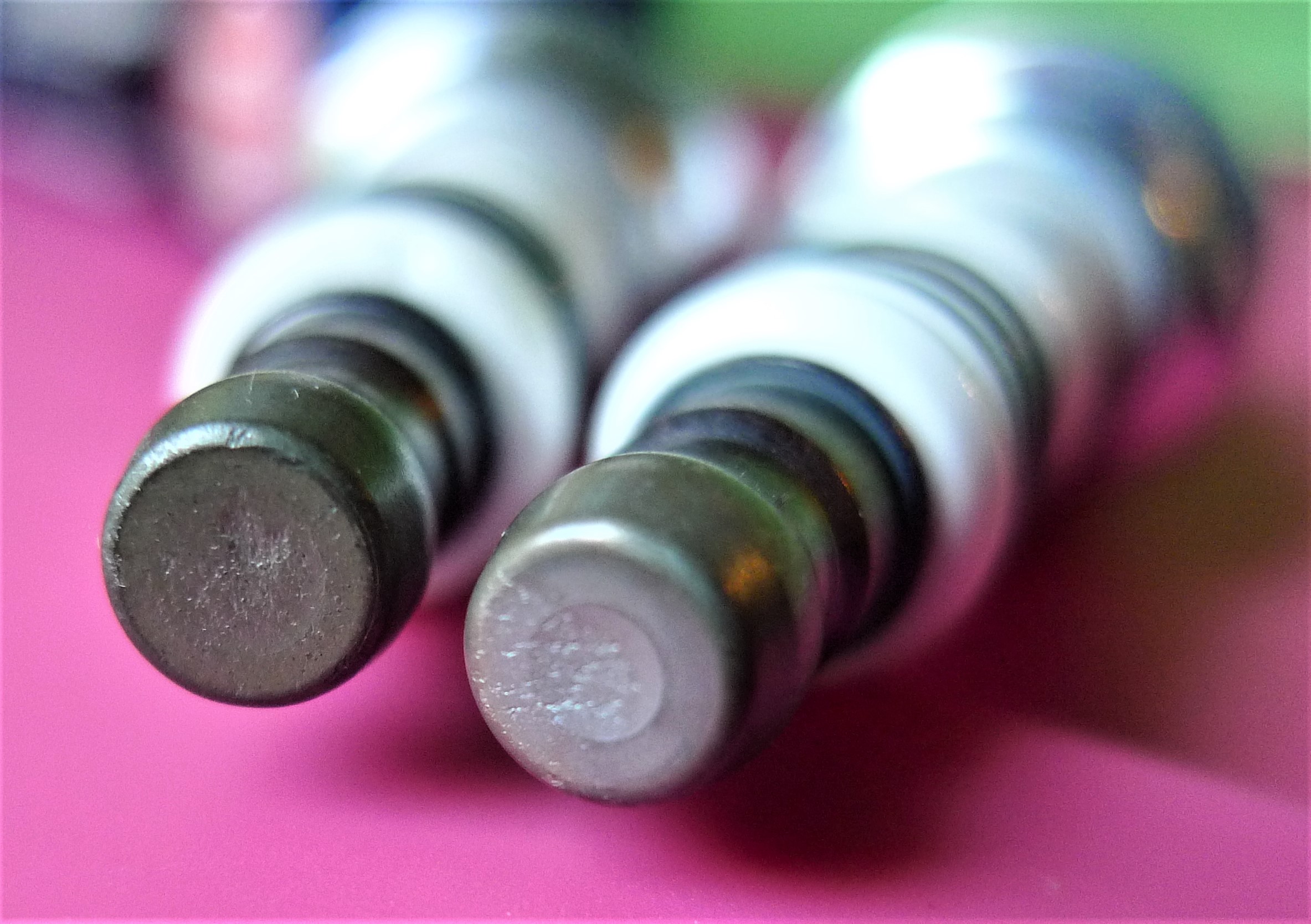
Here's some pix of the telltale signs...
...upon first casual glance there appears to be not much difference and you may not inspect it closely, moreso because it came out of an official-looking box that seems totally legit.
Check the ground strap --- the fakes are at a rather harsh bend while genuine has an elegant curve.
Not sure if this is always a reliable method of detection since counterfeiters tend to evolve and update processes once evident markers have been uncovered,
but the fakes I got had an underscore on the letter P while the genuines do not.
Genuine NGK on top of terminal have a visible divot,
the fakes do not.
Fakes use cheap porcelain and may be chipped,
the top shoulder also looks different.
Genuine has a powdery residue from the manufacturing process at the base of the insulator,
the fakes do not.
The fakes are very convincing though unless you eyeball them very closely and I think that they're continuing to be made with attempts to upgrade their process as some of the older markers that were identified to look for and posted online in various guides have seemingly been "fixed" by the counterfeiters...
...this video is a good one which shows just how authentic the fakes look and how some of the previous markers are not present anymore, for example: loose fitting crush washer amongst a couple of other things.
Certain items I am very careful about where I buy them from. With shipping included, you'll probably pay a little bit more buying from NGK. However, peace of mind is more than worth it.
Adding another data point to this discussion. I have a 2005 R53 and installed NGK BKR7EQUP at about 130k miles. Within the past 10k miles, I've noticed my mpg getting worse and worse and a hesitation around 2-3k RPM start to appear. I decided to change the plugs at 160k miles to try to fix both and replaced the plugs with BKR7EIX.
Initial results seem good; the hesitation is gone and the mpg is much better. 30k seems a bit early for platinum plugs, but they seemed to be the culprit. I'll probably try the conventional V-power BKR6E next.
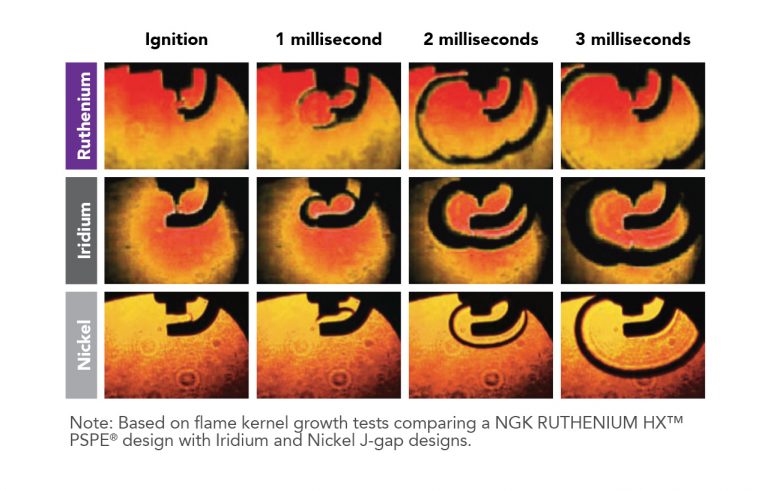
I recently changed my plugs so I won't be getting these anytime soon, but was just wondering if anyone here has happened to use the new design NGK Ruthenium?
I was reading across various marque forums and the chatter about them is mostly positive.
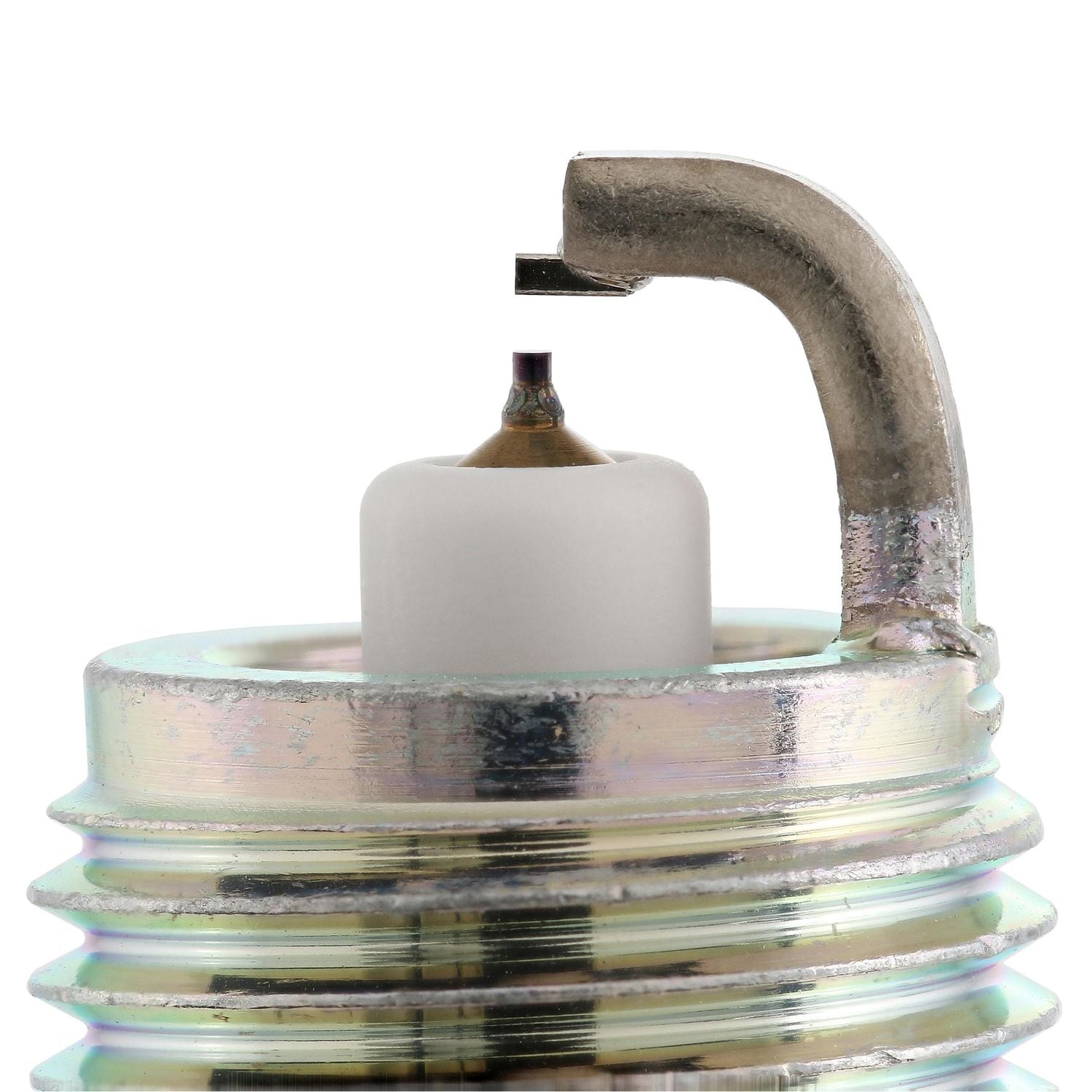
I like the design --- the ground electrode tip in particular which is similar to an old hot rodder trick where they'd file it back a little.
I will likely try them out at some point.
For my application it'd be FR7BHX-S (92400).
Those come gapped rather large tho,
at .043".
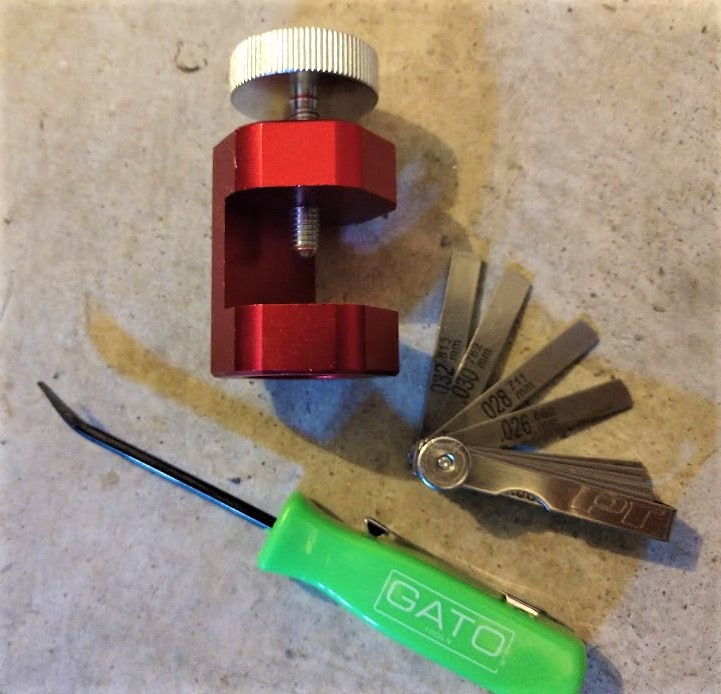
Recently got myself a nicely designed plug gapping tool --- there's many out there in this style ranging from $5 - $95,
but I found this one on sale for $13...
...has a nice ball bearing in the tip which is a good feature as opposed to just a plain bolt end.
.
Recently got myself a nicely designed plug gapping tool --- there's many out there in this style ranging from $5 - $95,
but I found this one on sale for $13...
...has a nice ball bearing in the tip which is a good feature as opposed to just a plain bolt end.