When you click on links to various merchants on this site and make a purchase, this can result in this site earning a commission. Affiliate programs and affiliations include, but are not limited to, the eBay Partner Network.
Stock Problems/IssuesDiscussions related to warranty related issues and repairs, or other problems with the OEM parts and software for MINI Cooper (R50), Cabrio (R52), and Cooper S (R53) MINIs.
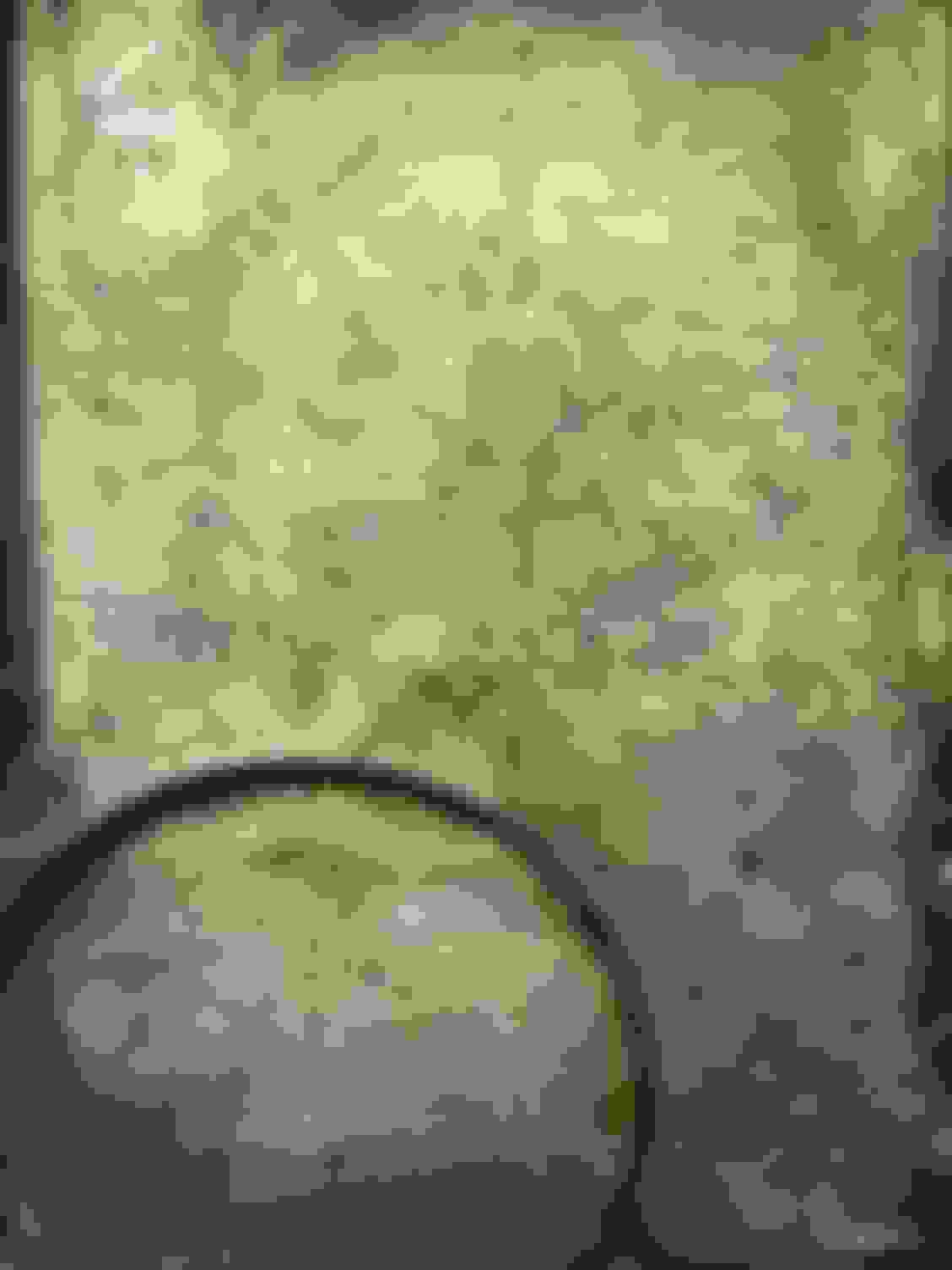
Any help would be greatly appreciated. Below I have hopefully uploaded some pics of the interior of my 2004 Cooper S with 77k miles. I was doing an oil pan gasket change and upon cleaning the oil pan noticed these numerous rough cracks in the bottom of the oil pan. Is this normal? Should I buy a new pan or press with the one I have. There appears to be no cracks all the way through that I can tell. Thanks.
It looks like spalling caused by the material being cooled too fast during manufacture.
It is usually a cosmetic problem, on the surface, and is generally allowed to pass inspection when that surface is to be machined. In this case they may have figured that since it was inside the oil pan, no one would see it.
You could sand it down to smooth aluminum, the cracks shouldn't be very deep.
Thanks. I guess I won't be too worried about it. At first I thought it could flake off and be run through the engine. On second look, it's rough and doesn't seem to be going anywhere. Looked at a few used pans on eBay and most of them had the same cracking.
Thanks. I guess I won't be too worried about it. At first I thought it could flake off and be run through the engine. On second look, it's rough and doesn't seem to be going anywhere. Looked at a few used pans on eBay and most of them had the same cracking.
I've actually owned a couple non-mini BMW's and have for one reason or another pulled oils pans on both and have noticed the same cracking, so it doesn't surprise me that the mini's pan looks the same. It seems to be stress from cooling during the manufacturing process they use and I think it'll be okay.
This is the micro structure from the high pressure die casting process and is normal. If this Micro structure during casting becomes to large you end up with what is called porosity
( i.e. Fluid will pass through it). But you pressure test the parts when you make them and scrap the leaking ones.
Oil pan does not have pressure on it so these castings are typically not treated so oil works into the structure and makes it visible. Items like water pumps and power steering pumps are often impregnated with a polymer to keep fluid under pressure from working through the Micro structure.
Was responsible for ops at 3 tier 1 plants doing machining and assembly. Our main casting supplier was a sister plant at 8,000 ft in Mexico. Casting at altitude reduces porosity