When you click on links to various merchants on this site and make a purchase, this can result in this site earning a commission. Affiliate programs and affiliations include, but are not limited to, the eBay Partner Network.
Just out of curiosity, why is it that in 2011 the pcv hose on the n18 (r56 mcs) connected to the turbo inlet pipe was never installed, however on the 2012 models the hose is there. This may be a stupid question, but what would deleting that hose on the 2012 variant do?
the hose from the valve cover is in the front of the engine and directly goes into the intake hose which connects to the turbo inlet, like inches away from it.
there is no true pvc of olden days on the N18's i consider it be more of a valve cover breather line, not the old PVC which pukes out gallons of oil over time.
no clue what the sensor is that plugs in at the base of it by the turbo, maybe more air blow sensor-ing ?
thats the line on the N18 that people splice into an oil catch can that does no good on good engines(i say that loosely because my tube barely has any residue in it, not even enough to consider an immediate need for an oil catch can. though the turbo sucks like a mother f'er, it may very well be sucking the oil out of the line but given the current state of my oil change two months ago, mine aint burning any oil.
Pics? I know they added one hose and sensor late in the 2013.
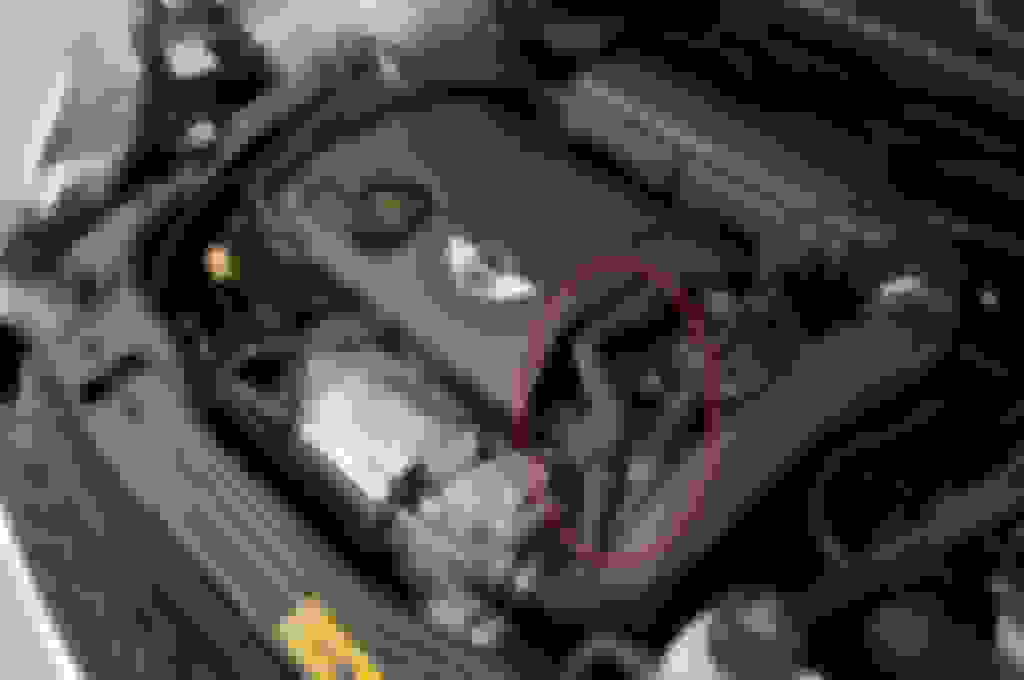
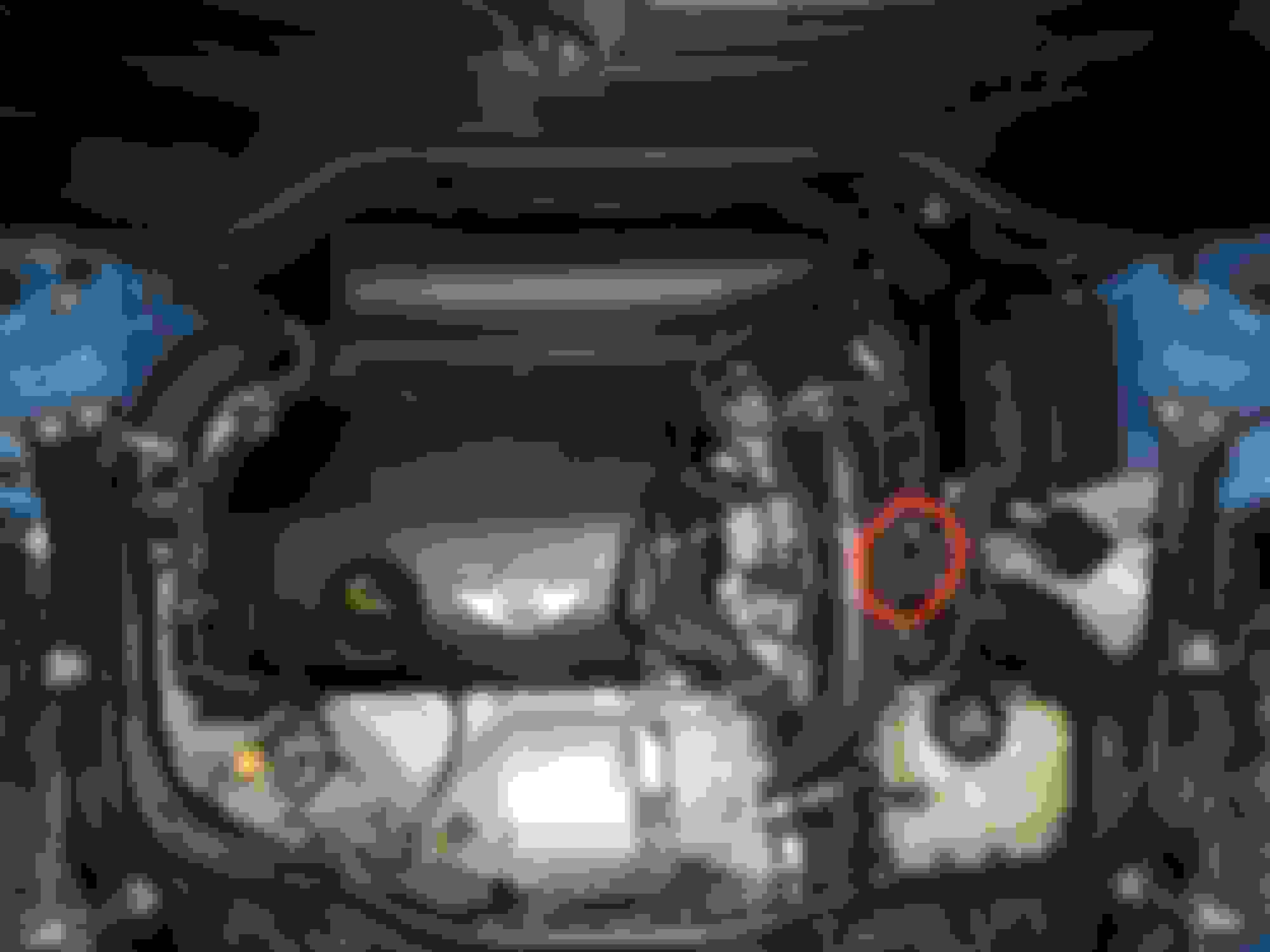
this is a pic of my 2012 mcs and it has a 2nd line that's really f****ng me over because now I'm going to have to drill a hole in my newly used aem intake. So I'm trying to look for alternatives so i want to find an alternative
this is a pic of my 2012 mcs and it has a 2nd line that's really f****ng me over because now I'm going to have to drill a hole in my newly used aem intake. So I'm trying to look for alternatives so i want to find an alternative
Sounds like you bought an N14 AEM intake, and not the N18 intake. The N14 version comes with the turbo inlet hose. The N18 version does not come with the turbo inlet hose because of the issue you are having.
Get a splitter like this.
Can probably by the splitter and resistors to jump out the heaters from nm engineering. See the instructions for there intake on how to use them. http://bd8ba3c866c8cbc330ab-7b26c6f3..._NM.658858.pdf
Get a splitter like this.
Can probably by the splitter and resistors to jump out the heaters from nm engineering. See the instructions for there intake on how to use them. http://bd8ba3c866c8cbc330ab-7b26c6f3..._NM.658858.pdf
do you have any links to any that are fairly cheap but still good. And yes I know I got an n14 intake when I first bought it but these intake usually go for anywhere from $550-$800cad and I managed to get mine for $300 knowing that I'd have to modify it. So I'm just want some options as to what I can do.
do you have any links to any that are fairly cheap but still good. And yes I know I got an n14 intake when I first bought it but these intake usually go for anywhere from $550-$800cad and I managed to get mine for $300 knowing that I'd have to modify it. So I'm just want some options as to what I can do.
One option is to not use the turbo inlet pipe that came with the intake...
Yep late in the 2012/2013 they have that little sensor. People get the N18 forge silicone intake hose and then poke a small hole in it to insert the hose. If its a had pipe you will have to tap in on another part that is close or silicone. https://www.ecstuning.com/Search/SiteSearch/FMINLR60/
Yes on the AEM, most intakes avoid that because of the change.
Yep late in the 2012/2013 they have that little sensor. People get the N18 forge silicone intake hose and then poke a small hole in it to insert the hose. If its a had pipe you will have to tap in on another part that is close or silicone. https://www.ecstuning.com/Search/SiteSearch/FMINLR60/
Yes on the AEM, most intakes avoid that because of the change.
I have the tools to tap into the aluminum pipe, would there be any issues with attaching the sensor to the metal pipe instead? The aem pipe is just so good looking 😂
Hole has to be tight and no air leaks. Then you are fine. Put it around the same location.It has a little gasket but i would seal it or put a rubber gasket on the outside. On silicone it seals pretty good.
Hole has to be tight and no air leaks. Then you are fine. Put it around the same location.It has a little gasket but i would seal it or put a rubber gasket on the outside. On silicone it seals pretty good.
thanks ecs,
btw does it matter that it will be mounted to a rounded surface, or does it need to be on a flat surface like the maf sensor?
Need to be in the air tube and closest to the original location, its does not matter as long as its sealed. Just dont want to see a CEL or vap leak code.
Hi,
Wanted to resurrect this since I have a similar issue. Does anyone know where to get those resistors to jump out these heater sensors as discussed here?
do you have any links to any that are fairly cheap but still good. And yes I know I got an n14 intake when I first bought it but these intake usually go for anywhere from $550-$800cad and I managed to get mine for $300 knowing that I'd have to modify it. So I'm just want some options as to what I can do.
I literally did the same thing, and I'm in the same dilemma, I don't know if drill a hole into the aem tube or get the sensors and the splitter.
what did you do bro?
I literally did the same thing, and I'm in the same dilemma, I don't know if drill a hole into the aem tube or get the sensors and the splitter.
what did you do bro?
Hello, I just ended up cutting the pipe into an elbow pipe so I could clamp the stock inlet tube up to it.
The dealership is wanting to charge me $1000 to replace the pcv. Is this hose the PCV? Or is it located underneath the manifold? I have a R60.
That tube is just the vent. The actual PCV system is integral to the valve cover. There is a round cap on the left side of the valve cover with a vent diaphragm that can be rebuilt. But, a fully busted PCV system requires replacement of the whole cam cover. At that cost, the dealer is likely quoting a full replacement valve cover.