When you click on links to various merchants on this site and make a purchase, this can result in this site earning a commission. Affiliate programs and affiliations include, but are not limited to, the eBay Partner Network.
I just replaced my rotors and pads. Did a full bleed because I wasn't sure how old the fluid in the lines was. I bless it the old fashioned way with the exception of using speed bleeder valves. Brake pedal to push it through. Refill every 10-15 pumps to keep it from going dry. Monitor the house to make sure I don't see any air bubbles. Yada yada. After doing a complete flush, I tested the pedal and it felt nice and hard.
I just turned the car on though and now the pedal goes to the floor and makes a slight hissing sound. If I tap the pedal rapidly, it will build pressure, but then loses it on the next full press. If I turn the car back on and build pressure, it maintains that pressure as expected. Is this an ABS issue? Not sure what to do here.
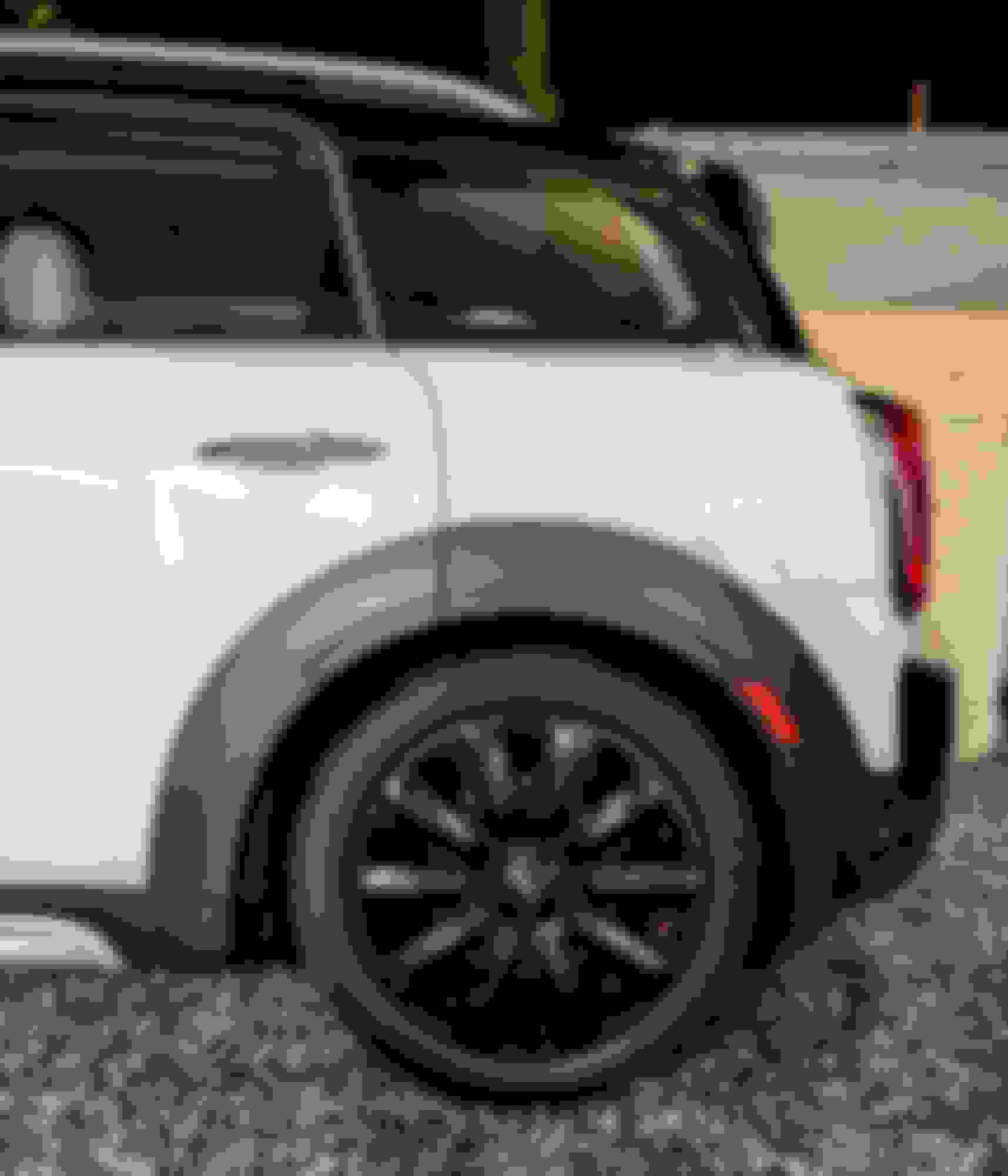
Figured it out. Knockoff power bleeder sorted it out. Never had to resort to that before. Anyway... Lowing springs, sway bar, pads, slotted rotors, and freshly painted calipers installed. H&R springs feel great in it. Just waiting on my new wheels to arrive in a couple of weeks!
I had this same issue, had that power bleeder sitting in the basement for years never needed other than for full flushes. But this time around it was damn stubborn.
Just to add onto this, manufacturers recommended brake bleed procedure is to pressurize the master cylinder to at least 26psi, then go to each caliper and bleed it. If the caliper has 2 bleed screws always do the inner first and then the outer. Also the procedures have changed on which caliper to bleed first, and depending on how your brake lines are routed, looking at you Porsche, the order you do them in will not specifically matter. I typically just do FR, RR, RL,FL on newer cars. pressurizing the master cylinder is the only way i've found to guarantee no air in the system. Just make sure you are using a bladder type pressure bleeder otherwise you are forcing air into your brake fluid and depending on where you are, if it's humid and there's moisture in the air, you are forcing water through your brake fluid. That's just being nitpicky but just throwing it out there for anyone who wants to bleed their brakes to the absolute best you possibly can lol. I used a motive power bleeder for years, but recently switched to the bladder type after learning this information.